
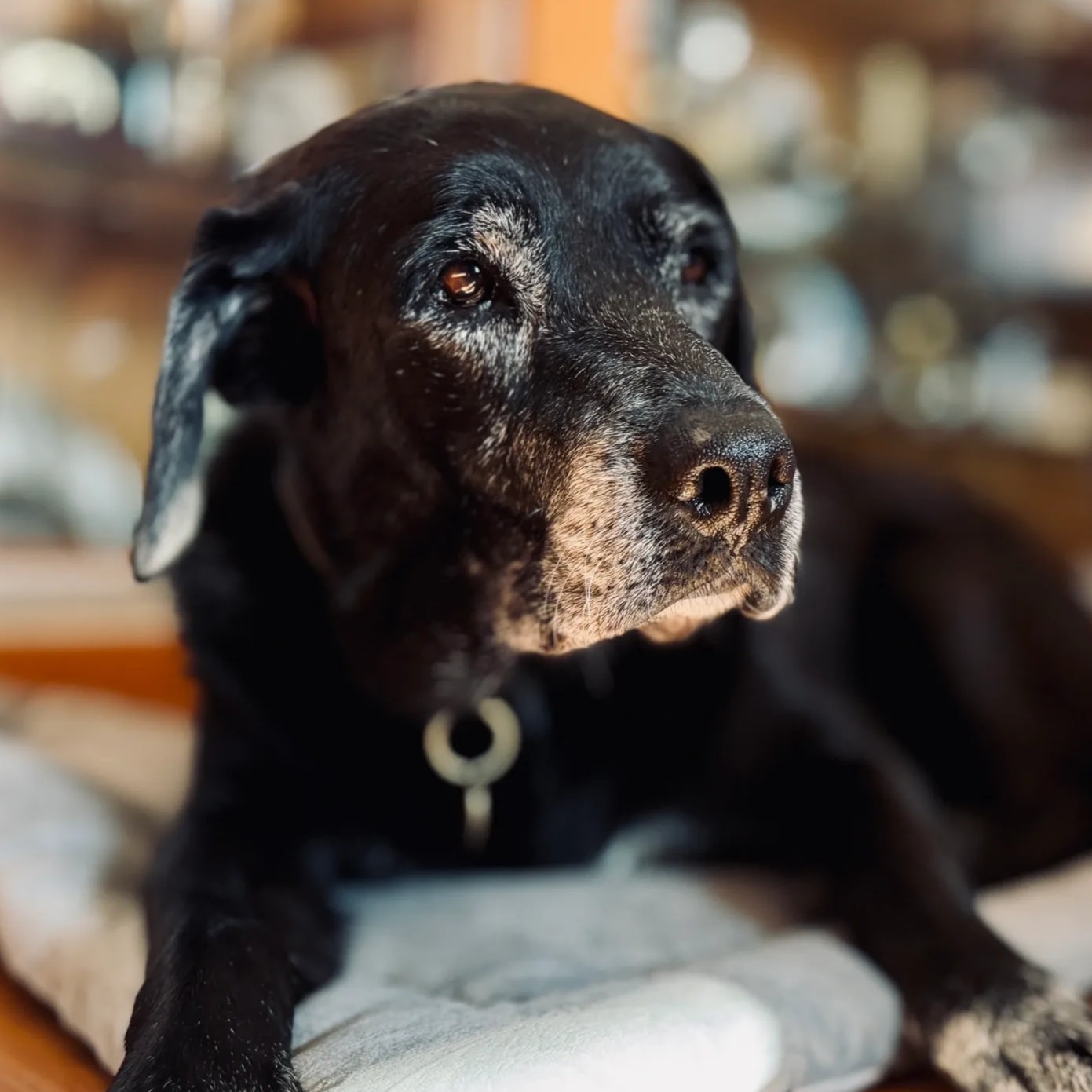
Do Senior Dogs Need Supplements? What to Look for as They Age
This post contains affiliate links. We may earn a small commission if you purchase through our links, at no extra cost to you. We only recommend products we believe in.
As dogs get older, their nutritional needs don't necessarily change overnight. More often, the changes are gradual. You may notice your dog taking a little longer to get up, sleeping more, having occasional digestive changes, or simply not moving with the same enthusiasm they once did.
A good-quality, complete and balanced dog food should always be the foundation of your dog's diet. But some senior dog owners also choose to add supplements for senior dogs to provide additional nutritional support for areas that become increasingly important with age.
So what should you actually look for in a senior dog supplement?
FREE Senior Dog Comfort Checklist
Simple things you can do at home to help keep your senior dog comfortable and safe.
Start With the Food Bowl
The words "complete and balanced" are important. They indicate that a dog food meets established nutritional requirements for its intended life stage.
That doesn't necessarily mean every senior dog needs exactly the same nutritional support, however. Age, activity level, size, diet and individual needs can all be different.
That's why I don't look at supplements as a replacement for good dog food.
I think of them as something that can be added to an already good nutritional foundation when an owner wants additional support in particular areas.
What Matters Most for an Aging Dog?
There are dozens of ingredients in dog supplements, and the choices can become overwhelming quickly.
For senior dogs, I prefer to concentrate on a few practical areas.
Joints and mobility become especially important as dogs age. Ingredients commonly used for stiff joints in older dogs include glucosamine, MSM, turmeric and omega-3 fatty acids.
Digestive health matters too. Ingredients such as probiotics for dogs, pumpkin and prebiotic fiber can help support normal digestion and healthy stools.
Skin and coat health can sometimes be overlooked, but omega fatty acids, vitamin E, biotin and other nutrients can help support healthy skin and coat.
And rather than buying a different container for every area, some owners may prefer an all-in-one product designed to provide broader daily nutritional support.
Why I Like the VitaDog Approach
One product I've been looking at closely is VitaDog Nutrition's Daily All-in-One.
Disclosure: The Senior Dog Guide is a VitaDog affiliate. If you purchase through our link, we may earn a commission at no additional cost to you.
What caught my attention wasn't simply the number of ingredients. It was the way VitaDog approaches the formula.
The system uses two parts that are given together each day:
- a powder containing 40+ active ingredients
- a separate liquid omega oil
I particularly like that the omega oil is kept separate rather than simply being incorporated into the powder.
VitaDog uses anchovy oil as an fish oil and omega-3 source, while the powder provides ingredients intended to support several areas of a dog's wellness, including mobility, digestion, skin and coat, and normal immune function.
The formula also includes an 8-strain probiotic blend providing 1 billion CFU, along with ingredients such as glucosamine HCl, MSM, turmeric, pumpkin and vitamin E.
For me, the appeal is pretty simple: one daily routine instead of accumulating several different supplements in the cupboard.
What Should You Expect?
This is where it's important to keep expectations realistic.
A nutritional supplement isn't medication, and VitaDog isn't intended to diagnose, treat, cure or prevent disease. Individual dogs are also different, so results and timing will vary.
According to VitaDog's guidance, some owners report noticing digestive changes first, sometimes around the first few weeks. Changes involving skin, coat or itching may be noticed later, while nutritional support for joints and mobility may take considerably longer.
VitaDog recommends giving the routine a full 6–8 weeks of consistent use before judging it, although joint and mobility support may continue building beyond that.
I actually appreciate that expectation more than promises of overnight results.
How Do You Give It?
VitaDog is given once per day during or just after a meal, with the amount based on the dog's weight.
There are two ways to serve it.
You can mix the powder, oil and water in the included shaker and pour it over the dog's food. Or you can skip the water entirely, sprinkle the powder directly onto the food and add the oil on top.
VitaDog recommends beginning with a partial serving for the first few days before working up to the full serving, allowing your dog's digestive system time to adjust to the added fiber and probiotics.
There's also a peanut-free beef version for dogs with peanut allergies.
Is an All-in-One Supplement Worth It?
That depends on your dog and what you're already giving.
If your dog already receives separate products for omega-3s, joints, digestion and vitamins, another all-in-one supplement may simply duplicate things you're already providing.
But if you're looking for a simpler daily routine, an all-in-one approach can be appealing because you're not managing several different containers and schedules.
That's the main reason VitaDog caught my attention for The Senior Dog Guide: it combines several areas of everyday wellness support into one routine rather than focusing on just one issue.
A Special Offer for Senior Dog Guide Readers
VitaDog has provided The Senior Dog Guide readers with 40% off using our partner code:
TSDG40
See VitaDog Nutrition & Get 40% Off →Affiliate disclosure: The Senior Dog Guide may earn a commission from purchases made through this link. This does not increase your price.
One Important Note
Supplements aren't a substitute for veterinary care. New stiffness, significant changes in appetite or weight, persistent itching, digestive problems, behavioral changes, pain or other new symptoms—particularly in an older dog—deserve a conversation with your veterinarian.
If your dog has an existing health condition or takes medication, VitaDog also recommends checking with your veterinarian before starting the supplement.
Free Senior Dog Comfort Checklist
A printable checklist to help you track your senior dog's comfort, appetite, weight, and daily needs — great to bring to vet appointments.